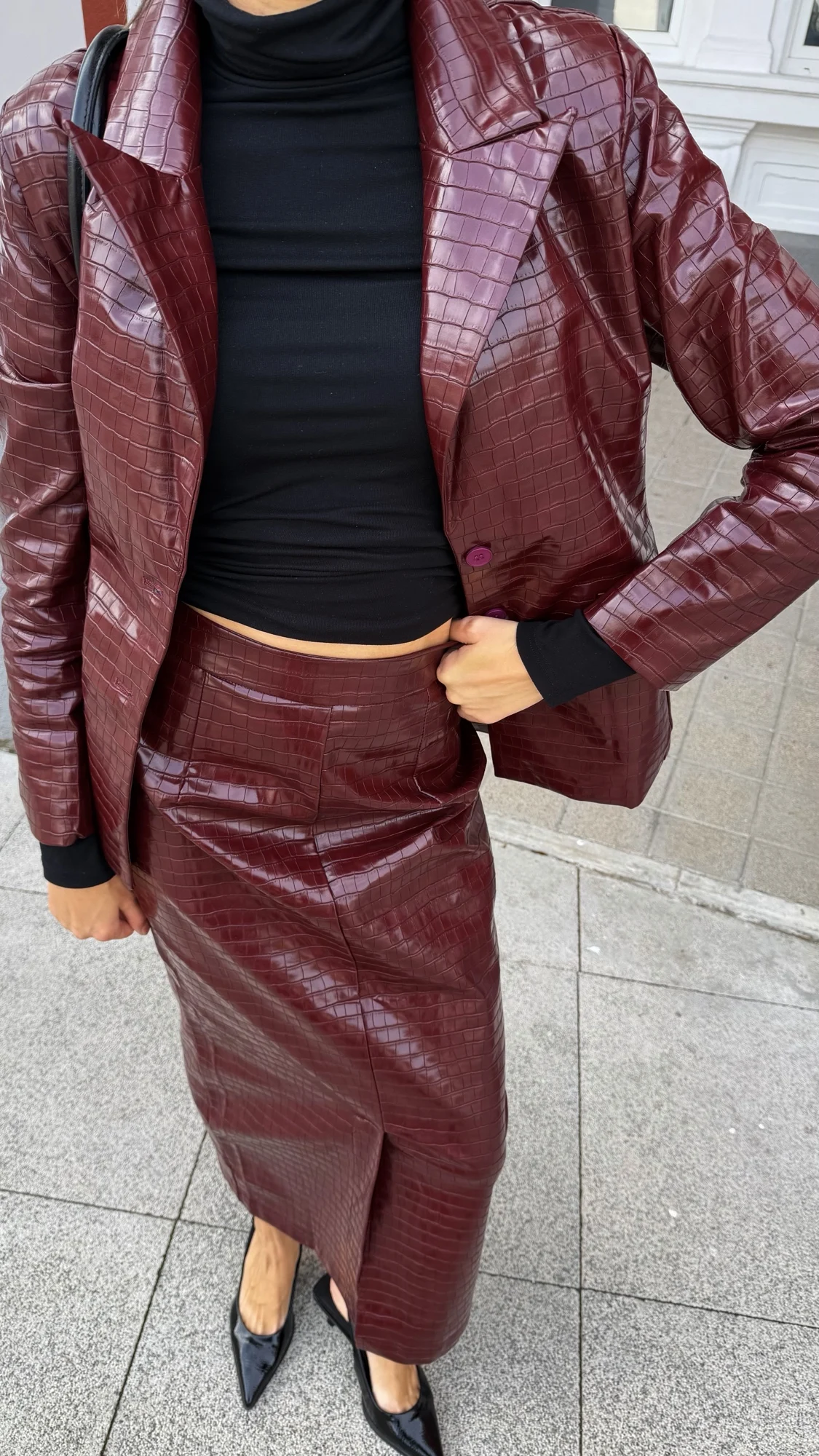
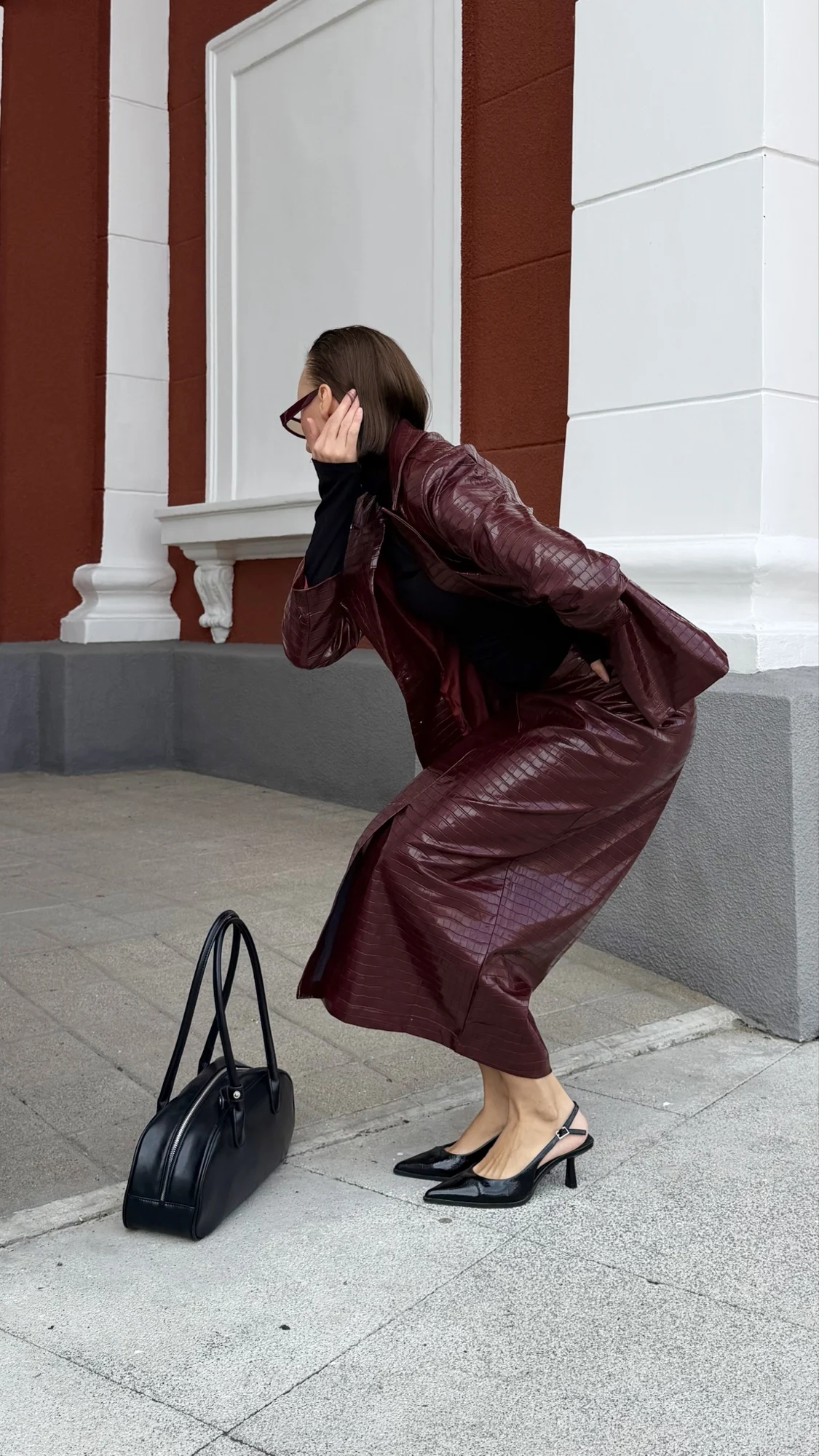
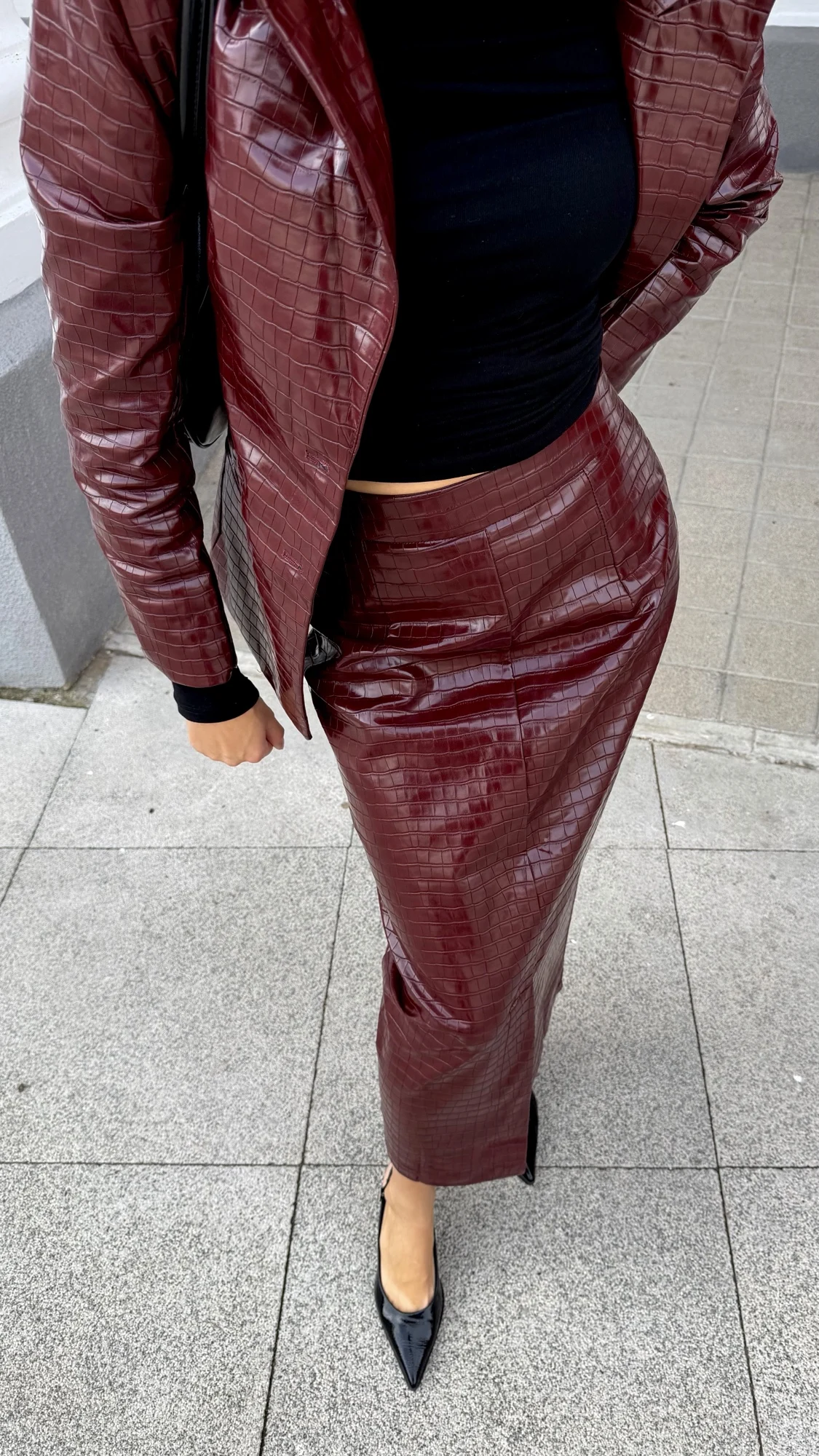
A faded denim jacket with the perfect worn-in softness. A linen blouse with a little history in every stitch. A suede bag that feels like it might have danced through the 1970s. Knowing how to buy secondhand clothes online turns those finds from lucky accidents into a thoughtful way to build a wardrobe that feels entirely your own.
Secondhand shopping rewards curiosity, but it also asks you to slow down. Unlike buying a brand-new item in three sizes and three colors, each pre-loved piece is usually a one-of-one. The goal is not to chase every bargain. It is to recognize the pieces that fit your life, flatter your shape, and bring a little more soul to the everyday.
Start With Your Personal Style, Not the Search Bar
The best secondhand wardrobe begins with a clear sense of what you actually reach for. Before browsing, picture the outfits that make you feel comfortable, pulled together, and a little wild. Maybe that is high-waist straight-leg denim with a tucked-in tee, a soft floral midi dress, or an oversized leather jacket over a simple black tank.
This matters because online resale sites can make almost anything look tempting. A low price or a rare label is not a reason to buy something that will sit quietly in the back of your closet. Look for a shape, fabric, or color that already works in your wardrobe, then leave room for the occasional unexpected treasure.
Try searching with details rather than broad categories. “Rust linen button-down,” “vintage wash straight-leg jeans,” and “brown suede crossbody bag” will usually lead somewhere more useful than “cute top.” Add your preferred size, a fabric, a color, or an era-inspired word to narrow the field without losing the magic of discovery.
Read Every Detail Before You Fall in Love
Photos create the first spark. Measurements and condition notes tell you whether a piece deserves a place in your closet.
Start by reading the full listing, including the less glamorous details. A seller may note fading at the collar, minor pilling, a missing button, altered hems, or a small mark near a seam. None of those things automatically make an item a bad buy. In fact, gentle wear can be part of the charm of true vintage and well-loved pieces. What matters is whether the condition feels fair for the price and manageable for you.
Pay close attention to fabric content, too. A silk blouse, wool cardigan, and cotton dress each wear, stretch, and care for differently. Natural fibers can feel beautiful and last for years, but they may require more thoughtful laundering. Synthetic blends can be wonderfully easy to wear, though they may show pilling or retain odor more readily. There is no universal winner. Choose based on how you want the piece to live with you.
When photos are available, zoom in on high-friction areas: underarms, cuffs, inner thighs, seat seams, necklines, and the bottoms of bags. For shoes, inspect soles, heels, toe boxes, and interior lining. Look for clear, well-lit images from more than one angle. If a listing leaves you guessing about a major detail, it is okay to let it go.
Learn the Difference Between Character and Damage
A beautifully broken-in leather jacket may have creases, softened edges, and a richer color at the seams. That is character. A cracked, peeling surface or brittle lining is damage that can be expensive or impossible to repair.
The same principle applies to denim. Natural fading and whiskering can make jeans feel more personal. Thin fabric at the inner thigh, broken belt loops, or stressed seams may mean the piece is near the end of its life. Ask yourself whether you are buying a well-loved garment or adopting a repair project. Both can be worthwhile, but they should be priced and chosen differently.
Measurements Matter More Than the Tag
Sizing has changed wildly across decades, brands, and garment types. A vintage size 12 may fit more like a modern size 6. Even two pairs of jeans with the same marked size can fit completely differently. Treat the label as a clue, not a promise.
Keep a few measurements from your favorite-fitting clothes in your phone: pit-to-pit for tops and dresses, waist and rise for pants, inseam for jeans, shoulder width for jackets, and length for skirts. Lay the garment flat and measure across, then compare it with the listing's flat measurements. For waist, hip, and bust measurements, remember that a flat measurement generally needs to be doubled to estimate the full circumference.
For fitted pieces, compare measurements carefully and leave room for movement. For relaxed pieces, think about the silhouette you want. An oversized men's button-down can become an easy layering piece, while a boxy cropped jacket may look best with high-waist pants or a flowing skirt.
If measurements are missing, ask for them when possible. A thoughtful seller should understand that fit is the difference between a piece you admire and one you actually wear. If you are shopping from a curated retailer, look for clear size guidance and fit notes that explain whether an item runs small, relaxed, cropped, or true to size.
Know What You Are Paying For
Secondhand prices are shaped by more than age. Brand, fabric, condition, rarity, construction, demand, and seller expertise all matter. A simple cotton tee may be priced low because it is easy to replace. A hand-embroidered jacket, a well-made leather bag, or a true vintage dress in excellent condition can command more because it offers craftsmanship and scarcity.
Price comparisons are useful, but do not let them flatten the experience. The best value is not always the cheapest listing. It is the piece in the best condition, with the clearest details, from a source that gives you confidence in what will arrive at your door.
Factor in the whole purchase before checking out. Consider shipping, return terms, potential tailoring, dry cleaning, or repairs. A $35 dress that needs $80 of alterations may still be worth it if it becomes your forever dress. It may not be worth it if you were only drawn to the price tag.
Buy From Sellers Who Make the Process Clear
Trust is a practical kind of luxury when shopping secondhand online. Look for listings with accurate descriptions, consistent photography, measurements, condition grading, and transparent policies. A good seller does not pretend that pre-owned means perfect. They make the item's story clear enough for you to decide.
Before buying, check how returns work, especially for a first purchase from a new shop. Some one-of-a-kind vintage pieces may be final sale, while other retailers offer a return window. Neither approach is inherently wrong, but the policy should be easy to find and easy to understand.
Curated shops can be especially helpful if you love the thrill of secondhand but do not want to sift through endless listings. At The Paisley Company, gently used finds sit alongside new pieces in an earthy, 70s-rooted mix, making it easier to style a singular jacket or vintage-inspired bag with wearable wardrobe staples.
Build Outfits, Not a Collection of Almosts
A secondhand find is most satisfying when it has somewhere to go. Before you buy, imagine three ways you would wear it. A patterned silk scarf might tie onto a woven bag, add color to a white button-down, or become a soft headband on a travel day. A brown corduroy blazer might work over a slip dress, vintage-wash jeans, or a fitted knit.
This small pause prevents impulse buys while keeping your style open-hearted. You do not need a perfectly minimal closet to shop intentionally. You simply want your pieces to know each other.
For special items, consider balance. If you found a dramatic embroidered duster, pair it with familiar denim and boots. If you brought home a softly worn band tee, let it feel fresh with a tailored blazer or a flowing skirt. The beauty of secondhand style is in the conversation between old and new, polished and easy, practical and playful.
Give Every Find a Fresh Start
Once your order arrives, inspect it promptly and compare it with the listing. Try it on with the shoes and layers you would realistically wear. If it is not right, follow the return process within the stated window rather than hoping you will suddenly become the person who wears it.
For pieces you keep, clean them according to the fabric and care label. Many secondhand garments benefit from a gentle wash, steam, spot treatment, or professional cleaning. Leather may need conditioning, hardware may need polishing, and a loose button may need a few quiet minutes with a needle and thread.
That care is part of the pleasure. Secondhand clothing is not about settling for what came before. It is about choosing pieces with texture, possibility, and a point of view. Let the next thing you buy be something that feels good on your body, fits your real life, and makes getting dressed feel a little more like wandering freely.