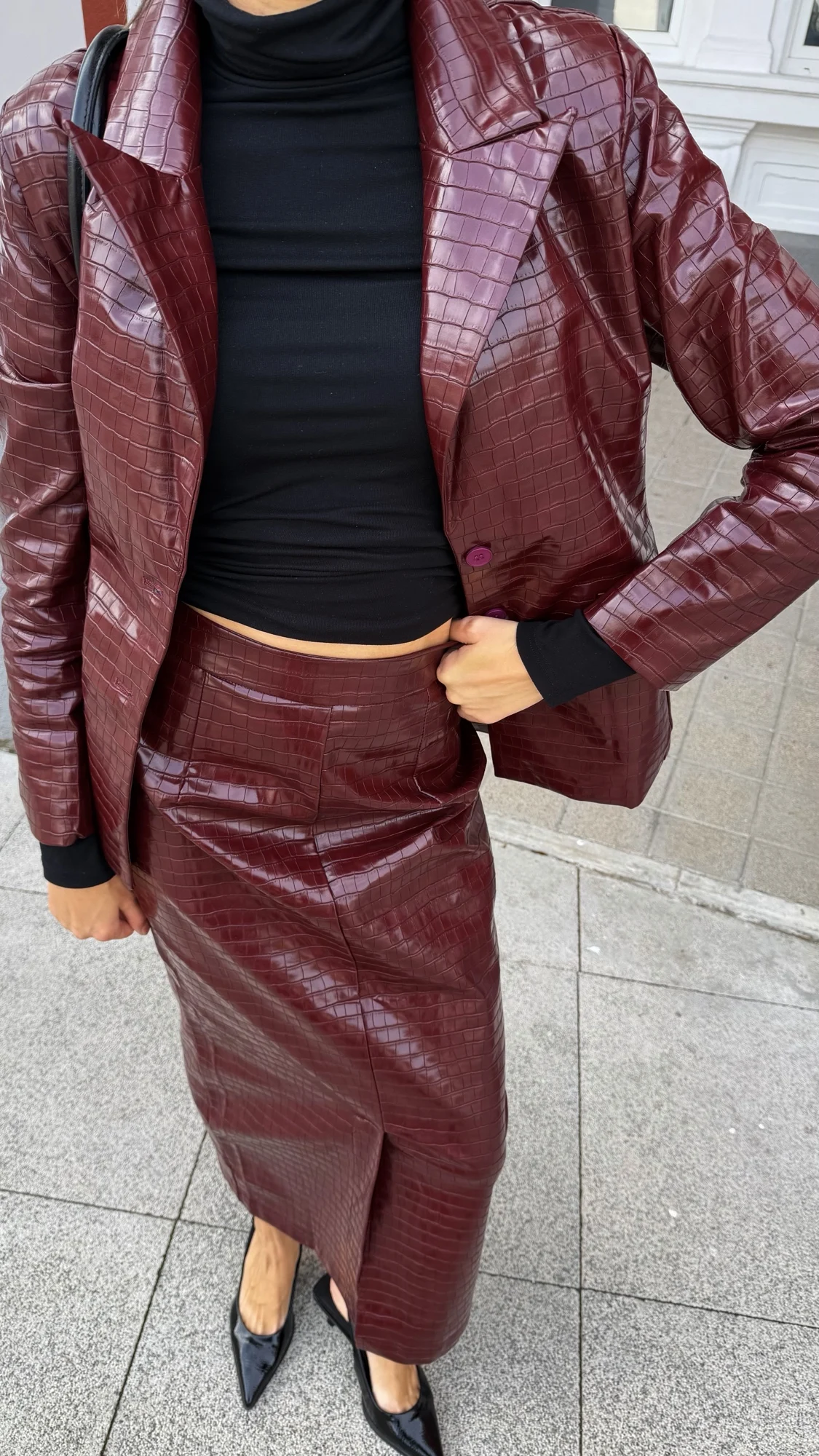
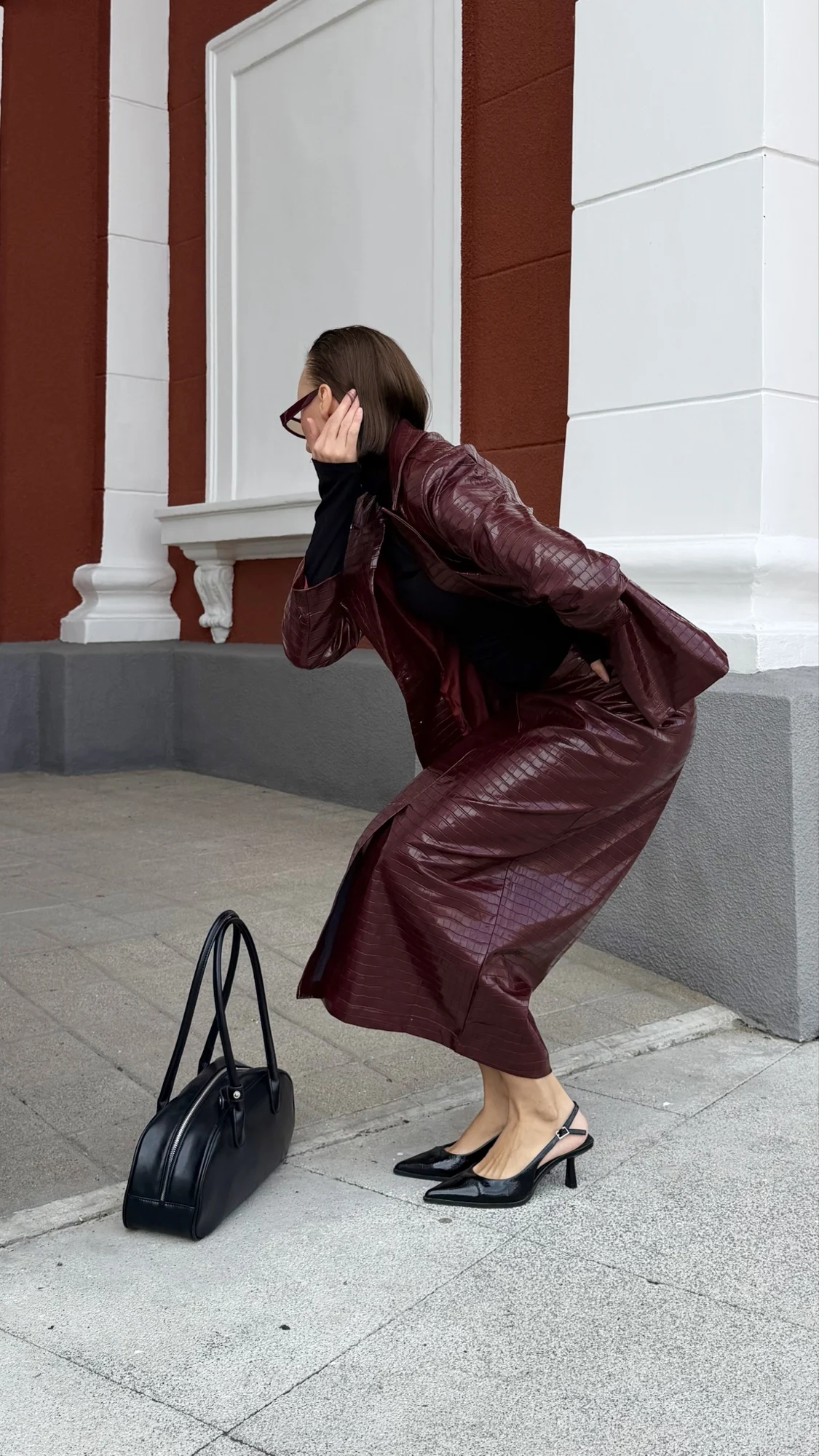
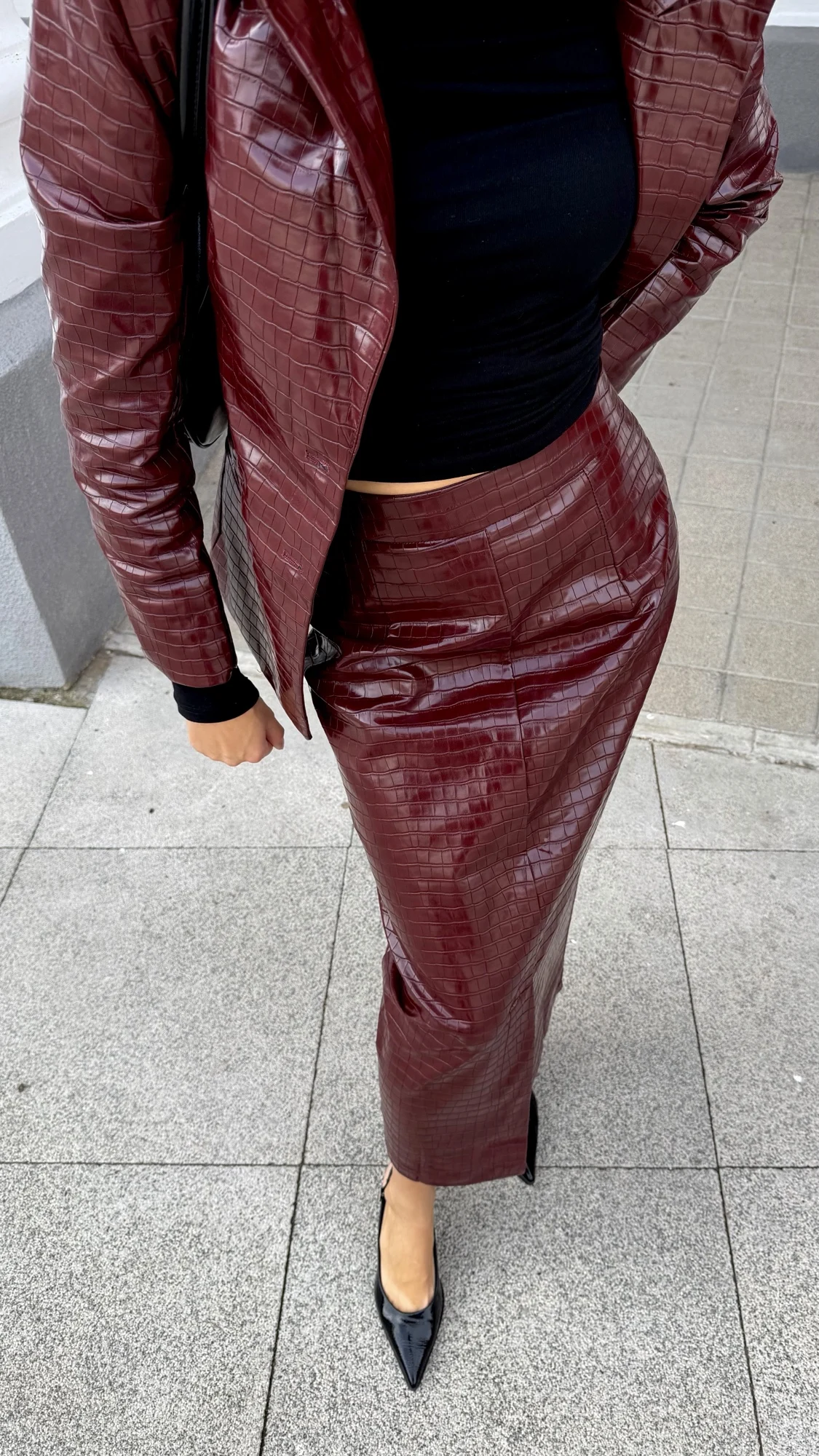
A sun-faded denim jacket with the perfect broken-in feel. A linen blouse that breathes on a hot afternoon. A softly worn leather bag with a story already stitched into its seams. Sustainable fashion trends are at their best when they feel less like rules and more like this: beautiful pieces you reach for often, style your own way, and keep close for years.
For the free-spirited dresser, sustainability does not have to mean a wardrobe of beige basics or sacrificing the thrill of finding something unexpected. It can mean choosing with a little more intention - favoring natural texture, versatile silhouettes, thoughtful craftsmanship, and pre-loved pieces that make an outfit feel entirely yours.
Which Sustainable Fashion Trends Have Staying Power?
The most worthwhile sustainable fashion trends are rooted in longevity, not a quick seasonal look. They make room for personal style while asking us to consider fabric, fit, care, and how often an item will truly be worn.
Pre-loved and one-of-a-kind finds
Secondhand shopping has moved far beyond a practical alternative. It is now one of the most expressive ways to build a wardrobe. A gently used embroidered jacket, a vintage-inspired suede bag, or a perfectly softened pair of jeans brings a sense of discovery that mass-produced clothing rarely delivers.
Buying pre-loved extends the useful life of an existing item and helps reduce demand for newly made goods. Just as importantly, it gives your closet character. No one needs another outfit that looks copied straight from a feed. A single unusual find can make simple staples feel personal again.
There is a trade-off, of course. Pre-loved sizes and availability can be limited, and a piece may show small signs of wear. That is why clear measurements, fabric details, and honest condition notes matter. When the fit is right and the piece still has plenty of life in it, a little history is part of the charm.
Natural textures with real-life appeal
Linen, cotton, hemp, wool, and leather remain central to a more thoughtful wardrobe because they offer texture, comfort, and a grounded kind of beauty. A linen button-down softens as you wear it. Cotton dresses are easy to layer through changing seasons. Wool can add warmth without relying on bulky synthetic layers.
Natural does not automatically mean low-impact. Cotton production can require significant water, leather has complex sourcing and processing considerations, and even a natural fiber has a footprint when it is made, dyed, shipped, and discarded quickly. The more useful question is whether you will wear and care for the item over time.
Choose fabrics that suit your life. If you love long walks, travel days, and warm-weather layers, a breathable linen blend may earn its place. If you want a jacket for years of festivals, errands, and evenings out, durable denim or well-made leather may be a better match than something delicate you avoid wearing.
Relaxed silhouettes that work harder
A sustainable wardrobe does not have to be small, but it should have pieces that know how to multitask. Easy midi dresses, wide-leg trousers, straight-leg denim, roomy button-downs, and soft cardigans can move through a week without feeling repetitive.
The appeal of relaxed silhouettes is not only aesthetic. A little ease in the fit gives you more styling options and can make a garment feel relevant even when trend cycles shift. Wear a flowing dress with boots and a cropped jacket in fall, then with sandals and a woven bag when the weather turns warm. Pair high-waist denim with a tucked-in tunic for lunch, then trade the flats for heeled boots after dark.
When a piece can travel across settings and seasons, it tends to earn more wears. That is one of the simplest, most practical forms of sustainability.
Build Around the Pieces You Already Love
Before adding something new, look at the clothes that already make you feel like yourself. Maybe it is your favorite vintage-wash jean, a rust-colored blouse, or the soft floral maxi you wear every chance you get. Those pieces can point you toward what is genuinely useful next.
Rather than buying an entire look, try adding one supporting piece that creates fresh combinations. A fringed crossbody can give an old dress new energy. A lightweight kimono can change the shape of a basic tank-and-denim outfit. A belt, scarf, or statement earring can bring color and mood without requiring another full garment.
This approach is especially helpful when a microtrend catches your eye. You do not have to ignore what feels fun or current. Just translate it through your own style. If western details are everywhere, perhaps that means a tooled belt or worn-in ankle boot rather than a closet full of novelty pieces. If crochet is calling your name, a textured bag or open-knit layer may feel more lasting than a head-to-toe look.
Care Is Part of the Style Story
The clothes that last are usually the clothes we treat with a little tenderness. Washing less often, using cool water when possible, air-drying knits and delicate fabrics, and storing special pieces properly can all help preserve color, shape, and softness.
Denim is a good example. Unless it is visibly soiled, it often does not need a wash after every wear. Spot-cleaning, airing it out, and washing inside out can help preserve its color and character. For knits, folding is usually kinder than hanging. For leather bags and boots, occasional conditioning can keep them from drying and cracking.
Repairs deserve a place in this conversation too. A missing button, loose hem, or small seam split does not have to be the end of a beloved item. Simple mending can be done at home, while a local tailor or cobbler can often revive pieces that still have years left in them. Repair is not fussy. It is a quiet vote for keeping what is good.
Shop With Curiosity, Not Guilt
Sustainable style can sometimes sound overly strict, as if every purchase needs to be flawless. Real wardrobes are more human than that. Budgets vary. Sizing varies. Some people need easy-care synthetics for work, weather, movement, or sensitive skin. Others may be replacing an item they have worn to the very end.
A better goal is progress with personality. Pause before a purchase and ask a few honest questions: Does it fit beautifully now? Can I picture at least three ways to wear it? Does the fabric feel good against my skin? Would I still want it if it were not having a moment online?
If the answer is yes, you may have found more than a trend. You may have found a future favorite.
At The Paisley Company, that is the spirit behind a curated mix of new pieces and gently used treasures: less pressure to chase, more freedom to choose what feels soulful, flattering, and distinctly your own.
Let your wardrobe gather slowly, like a well-loved travel journal. Keep the pieces that carry you through real days, welcome the finds that make your heart skip, and leave room for a little beautiful wildness along the way.